
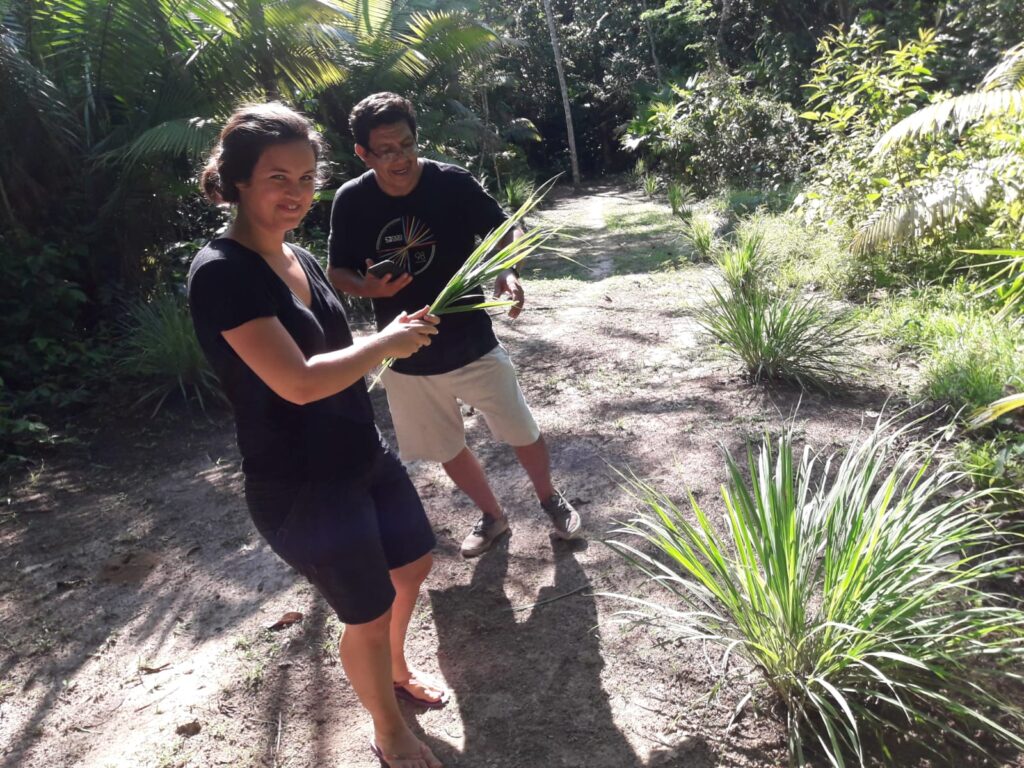
A medicinal plants walk in Iquitos is one of the most meaningful ways to experience the Amazon rainforest during a jungle retreat. It is not only a walk through nature. It is also an opportunity to observe, listen, and learn how local people relate to the forest.
At an Amazon jungle retreat in Iquitos, a medicinal plants walk can help travelers understand the rainforest beyond its beauty. The plants, trees, sounds, smells, and paths all become part of the retreat experience.
This guide explains what travelers can usually expect from a medicinal plants walk during a retreat in the Peruvian Amazon.
What Is a Medicinal Plants Walk?
A medicinal plants walk is a guided walk through the rainforest where travelers learn about selected plants, trees, and natural elements of the Amazon environment.
The purpose is not to replace medical advice or make exaggerated claims. It is a cultural and educational experience based on observation, local knowledge, and respect for the forest.
During the walk, a local guide or retreat team member may explain how certain plants are traditionally known, how people identify them, and why the forest is important in Amazonian life.
Why This Walk Matters During a Retreat
A jungle retreat is not only about ceremonies or accommodation. The forest itself is part of the experience.
Walking slowly through the rainforest helps travelers connect with the place in a more direct way. Instead of seeing the Amazon only as scenery, visitors begin to notice details: leaves, roots, vines, insects, sounds, textures, and natural relationships.
For many travelers, this quiet contact with the forest becomes one of the most grounding parts of the retreat.
Learning From Local Knowledge
Amazonian communities have lived with the forest for generations. Many plants have traditional uses, stories, names, and cultural meaning.
A medicinal plants walk can offer a respectful introduction to this knowledge. It does not mean learning everything in one day. It means beginning to understand that the rainforest is not empty land. It is a living environment with deep local knowledge connected to it.
At Ayaymama Mystic, we prefer to speak honestly about local Amazonian knowledge and the real environment around Iquitos.
What Travelers May See
Every walk is different because the rainforest changes with season, rain, river level, and trail conditions.
During a medicinal plants walk, travelers may observe:
- Medicinal plants traditionally known in the area
- Large trees and roots
- Vines and climbing plants
- Leaves with different textures and smells
- Insects and small animals
- Natural trails
- Wet or muddy areas depending on the season
- Useful plants for local daily life
The walk is usually simple, but it can be very rich when travelers pay attention.
Respecting the Forest
Respect is essential during any jungle walk. The Amazon is not a theme park. It is a living environment.
Travelers should avoid touching unknown plants without guidance, taking things from the forest, walking away from the group, or treating the place carelessly.
Simple respect includes walking calmly, listening to the guide, staying on the path when needed, and observing without damaging the environment.
What to Wear for the Walk
Because the rainforest can be humid, muddy, and full of insects, practical clothing is important.
Recommended clothing includes:
- Light long pants
- Light long-sleeve shirt
- Comfortable walking shoes or rubber boots
- Hat or cap
- Rain poncho if rain is possible
- Insect protection when appropriate
You can also read our packing guide for an Amazon jungle retreat in Iquitos before traveling.
Walking Slowly Is Part of the Experience
A medicinal plants walk is not a race. Walking slowly allows travelers to notice what is around them.
In the jungle, many things are easy to miss if you move too fast. A leaf, a smell, a sound, or a small detail can become part of the learning experience.
This slower rhythm also matches the retreat environment. The goal is not only to reach a place, but to become more present along the way.
Safety During the Walk
Safety during a jungle walk depends on preparation and local guidance. Travelers should follow the guide, avoid wandering alone, and be careful with slippery or muddy paths.
It is also useful to bring water and avoid carrying heavy bags during the walk.
If you have any physical limitation, injury, or health concern, tell the retreat team before the walk begins.
You can read more practical advice here: Amazon jungle retreat safety in Iquitos.
Plants, Culture, and Ceremony
For some travelers, the medicinal plants walk also gives more context to the broader retreat experience. The Amazonian relationship with plants is not only practical. It can also be cultural, spiritual, and ancestral.
This does not mean every plant should be romanticized or exaggerated. It means the forest has meaning, and that meaning should be approached with humility.
Learning even a little about the plants can help travelers respect the environment more deeply.
A Good Activity for Integration
During a retreat, walks in nature can help travelers rest, reflect, and integrate their experience.
After deep emotional or spiritual work, the forest can offer a calm space to breathe, move the body, and return to simple presence.
This is one reason why jungle walks can be valuable during longer retreats.
Questions to Ask During the Walk
If you are curious, you can ask simple and respectful questions during the walk.
- What is the local name of this plant?
- How do people recognize it?
- Is it common in this area?
- Does it have traditional use?
- What should travelers avoid touching?
- How does the season affect the trail?
Good questions can turn a simple walk into a deeper learning experience.
Final Advice
A medicinal plants walk in Iquitos is a simple but meaningful part of an Amazon jungle retreat. It helps travelers slow down, observe the forest, and understand that the rainforest is full of knowledge, life, and cultural meaning.
Come with curiosity, but also with respect. Listen more than you speak. Walk slowly. Let the forest show itself without forcing the experience.
To learn more about the retreat environment, visit our page about the Amazon jungle retreat in Iquitos, Peru.